

Farming is a tough business. There’s machinery, changing weather, remote worksites, shifting schedules and all of that raises risks. As senior leaders in agribusiness, you have the power to change how safety works on your properties. Embedding safety leadership, isn’t just nice to implement; it’s essential to protect people, reduce costly incidents, and build a culture that supports long-term success.
Let’s review the practical strategies that senior management to help bring safety leadership into day-to-day operations, with a focus on the risks farmers and processors face every year. Think machinery, manual handling, livestock, remote work and how a strong leadership approach can turn risk into resilience.
Why Safety Leadership Matters in Agri
You might already know that agriculture is one of Australia’s most dangerous industries. Fatalities, serious injuries, and near misses come from everyday tasks that many people take for granted. What sets safer operations apart is not just rules or audits, but how leaders behave, how seriously safety is treated, and whether it’s woven into every decision.
When senior managers visibly commit to safety, by making it part of meetings, prioritising safe equipment, and listening to workers it sends a clear message to their employees. Safety becomes more than compliance: it becomes part of your identity as a farm, facility or agricultural business.

How Senior Managers Can Embed Safety Leadership
Lead by Example and Build Credibility
If you expect people to use safety gear, check machines, or follow procedures, you must do the same. Take part in inspections, do your own hazard checks, and never cut corners. When leaders act consistently, it strengthens trust. Treat safety discussions with the same weight as production goals. That consistency matters.
Set Clear Expectations and Follow Through
It’s not enough to say, “safety is important.” Turn that into policies, plain safety statements and actions. Make it clear that meeting deadlines should never come at the expense of people’s well-being. Use regular site walks, safety briefings, and signage to keep safety front of mind. More importantly, hold employees accountable: if a safety check is overdue or PPE isn’t being used, address it.
Give People a Voice
The people who work with machinery, animals, loads, and shifting terrain know the real hazards. Invite them into the process, ask questions, hear their suggestions, let them flag issues. Set up systems for reporting near-misses or hazards (a simple whiteboard in the workshop can be enough). When workers feel heard, they engage. They’re more likely to follow safety practices and speak up when something’s not right.
Train, Coach, Refresh
No matter how experienced the team is, refreshers matter. Train everyone (permanent, seasonal, contract) in operating machinery, safe lifting, animal handling, chemical use and emergency procedures. Use hands-on demonstrations, peer coaching, even short refresher talks before big shifts and don’t just train once, periodic reviews help retain safe habits.
Manage High-Risk Hazards Proactively
Focus your leadership energy on the risks that cause the worst harm. Here are key areas to watch in agribusiness:
Machinery, vehicles and mobile plant
Tractor rollovers, collisions, quad bike incidents, these cause many serious injuries. Ensure equipment meets safety standards (ROPS, crush protection, seat belts), and insist operators are competent. Monitor speed, enforce safe zones, and take faulty machines out of service immediately.
Manual handling and musculoskeletal risk
Bending, lifting heavy loads, shifting awkward items all these add up. Leaders can invest in mechanical aids (hoists, conveyors), layout work to reduce strain, rotate tasks, and emphasise safe posture. Encourage workers to flag tasks that strain them.
Livestock handling
Animals are unpredictable. Design barns, yards and ramps with safety in mind; maintain fencing and facility integrity; train staff in low-stress livestock handling practices. Use two-person rules or restrict access in high-risk scenarios.
Remote and isolated work
Tasks done alone or far from help bring special dangers. Leaders should ensure reliable communications (radios, satellite devices), check-in systems, emergency plans, first aid kits, and regular monitoring. Where possible, schedule alone work during daylight or ensure support is on standby.
When you lead efforts in these areas, you show your team that risk control is more than talk—it’s your priority.
Review, Learn and Improve
A one-off policy or training session won’t change culture. Safety systems need constant review. Regularly audit your farm or facility: walk through sites, talk with staff, examine incident records, inspect equipment. Look for trends. Fix small issues before they become bigger ones. If something goes wrong, dig into it, not for blame, but to learn and prevent it again.
Also, benchmark your performance. Compare safety metrics (like near-miss reports, corrective actions completed, days without incident) across seasons or sites. Share lessons widely and encourage innovation, if someone solves a hazard cleverly, let everyone else know.
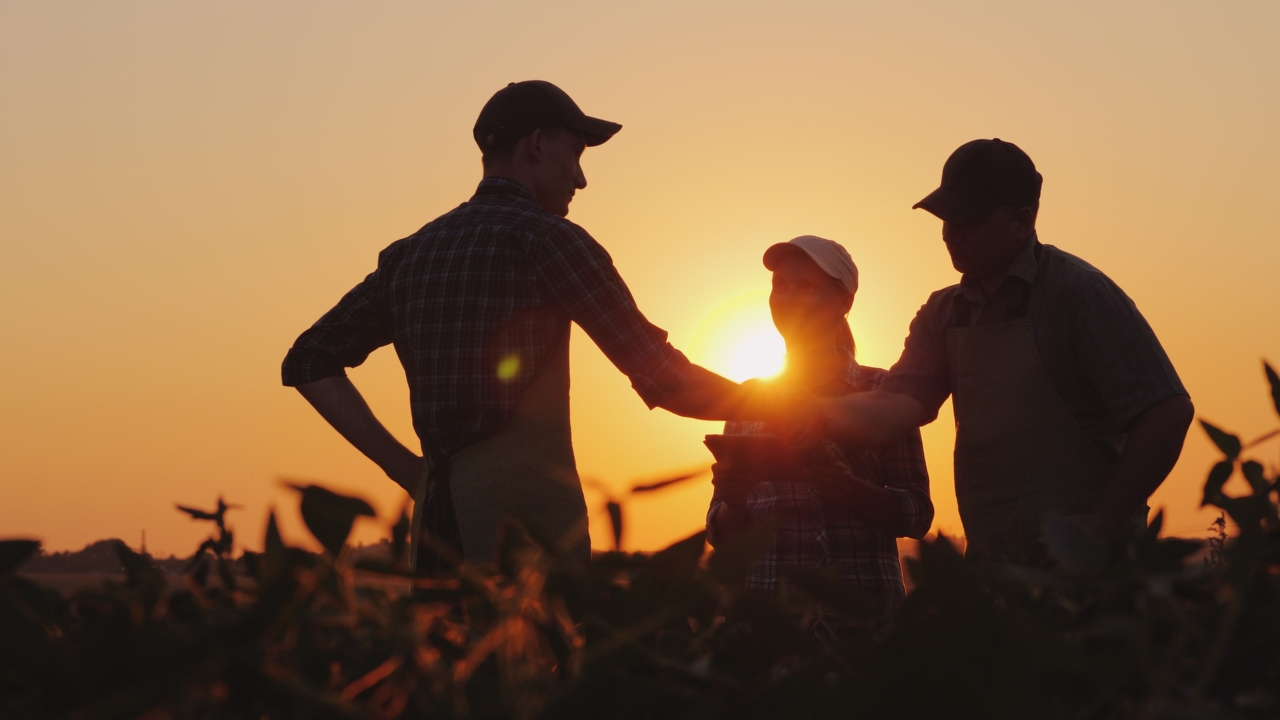
Recognise and Reward
Positive reinforcement works. When someone flags a hazard, follows a new procedure, or improves safety on their own, recognise it. Praise it publicly, include it in team meetings, or give small rewards. These gestures shift safety from being a rule to being something people take pride in.
Bringing It All Together
For senior leaders in agribusiness, embedding safety leadership is both a responsibility and an opportunity. It’s about more than ticking boxes, it’s shaping how your people see safety: as an integral part of how work is done, not as an extra burden. When farmers, workers and management act together with safety in mind, accidents drop, morale rises, and operations are more resilient.
If your business is looking for a senior leader who understands the balance between productivity, people and safety, talk to our team. We have an extensive network, which connects agribusinesses with experienced professionals who know how to lead teams, manage risk and drive performance across complex farming and processing operations.
We’re from the industry and we’re immersed in the industry. It’s why we confidently say; we get people others can’t. Contact Agricultural Appointment for more information.