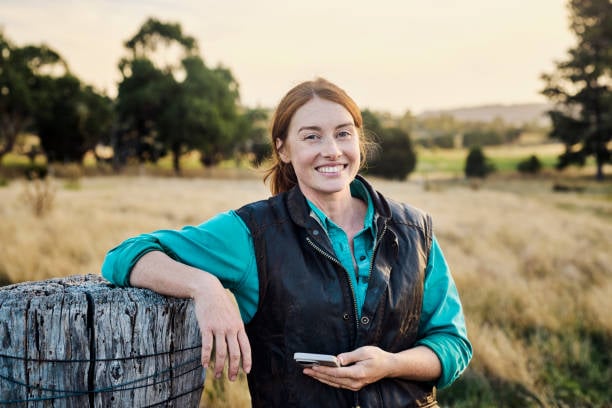
Increasing the representation of women in agriculture has long been framed around quotas and targets. While such measures have helped raise awareness and create entry points, the real challenge lies in fostering meaningful leadership opportunities that empower women to influence decision-making and drive the future of the industry.
Agriculture has historically been male-dominated, and despite progress, women still face structural barriers, from limited access to networks and mentoring to assumptions about the types of roles they “should” occupy. Moving beyond quotas requires a deliberate focus on creating pathways for women into senior operational, technical, and executive positions, rather than merely filling seats. Organisations that invest in professional development, flexible work practices, and leadership training are better positioned to retain talented women and nurture the next generation of agribusiness leaders.
Recruitment strategies are adapting to this shift. Employers increasingly recognise that attracting women to leadership roles is not just about diversity optics; it is a strategic advantage. Women bring unique perspectives to operational efficiency, sustainability, and workforce engagement. Successful organisations actively seek candidates who combine technical expertise with leadership potential, supporting them with mentoring, sponsorship programs, and inclusive cultures that value diverse voices at all levels.
We see the difference that meaningful leadership opportunities make. Women who are given the chance to lead are not only shaping the operational and strategic direction of agribusinesses, they are also inspiring a culture of collaboration, innovation, and resilience. By moving beyond quotas and focusing on genuine empowerment, the agricultural sector can unlock the full potential of its workforce while building more sustainable and adaptable organisations.